Factory-direct LED Dome & Spherical Displays — Shenzhen, China
✉ enquiries@luminatii.com
☎ +86 177 0402 4640

The same LED dome behaves differently in a flying theater, a planetarium and a theme park. What changes is not the pixel — it is the acoustics, the structure, the service route and the show format. Start from the venue, not the product.
Buyers usually arrive with a product question — dome or sphere, what pitch, what diameter. The answer depends on the venue, so these guides are organized by what the space has to do.
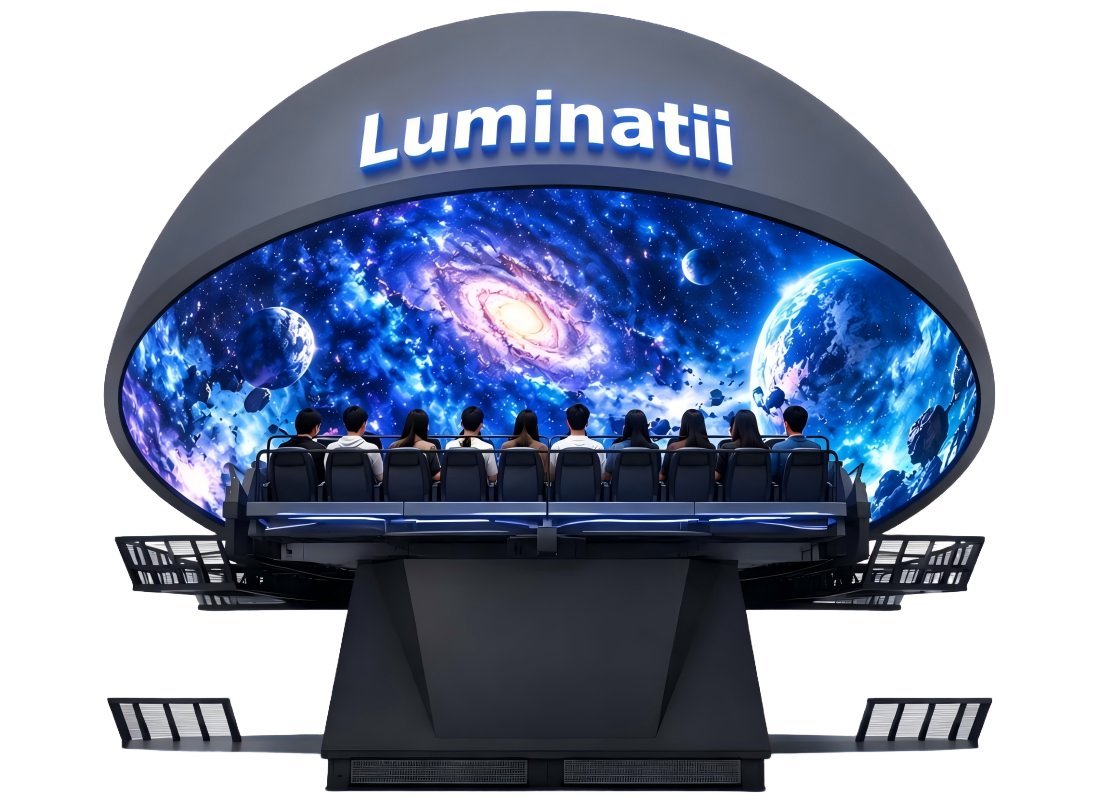
A suspended audience inside the image. 50% perforated domes, sound behind the screen, and pitch chosen from the nearest seat rather than the furthest.
Flying theater domes →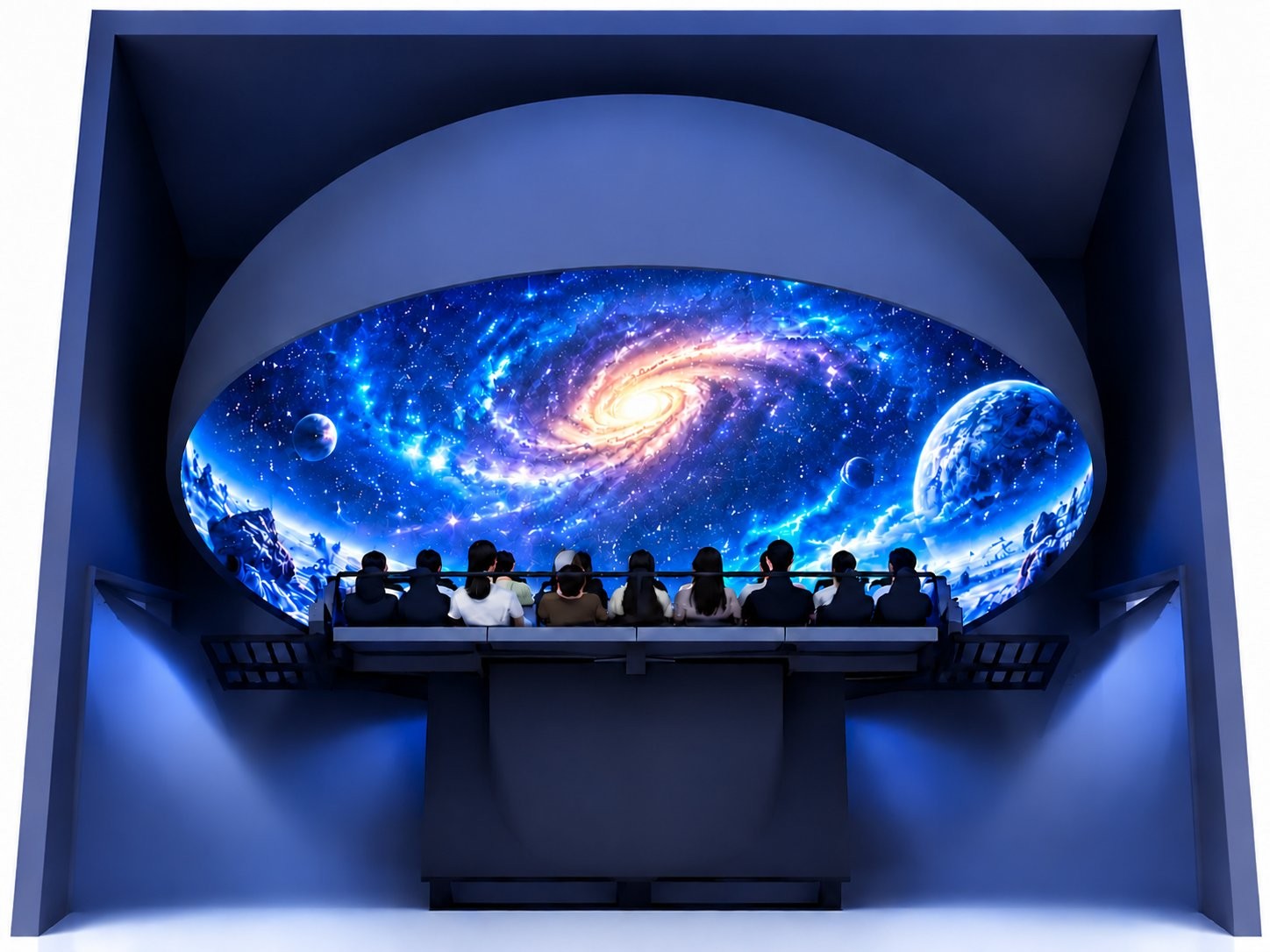
Where black has to be black. 10,000:1 contrast, uniform star fields, dedicated pole geometry and 8K-ready playback.
Planetarium domes →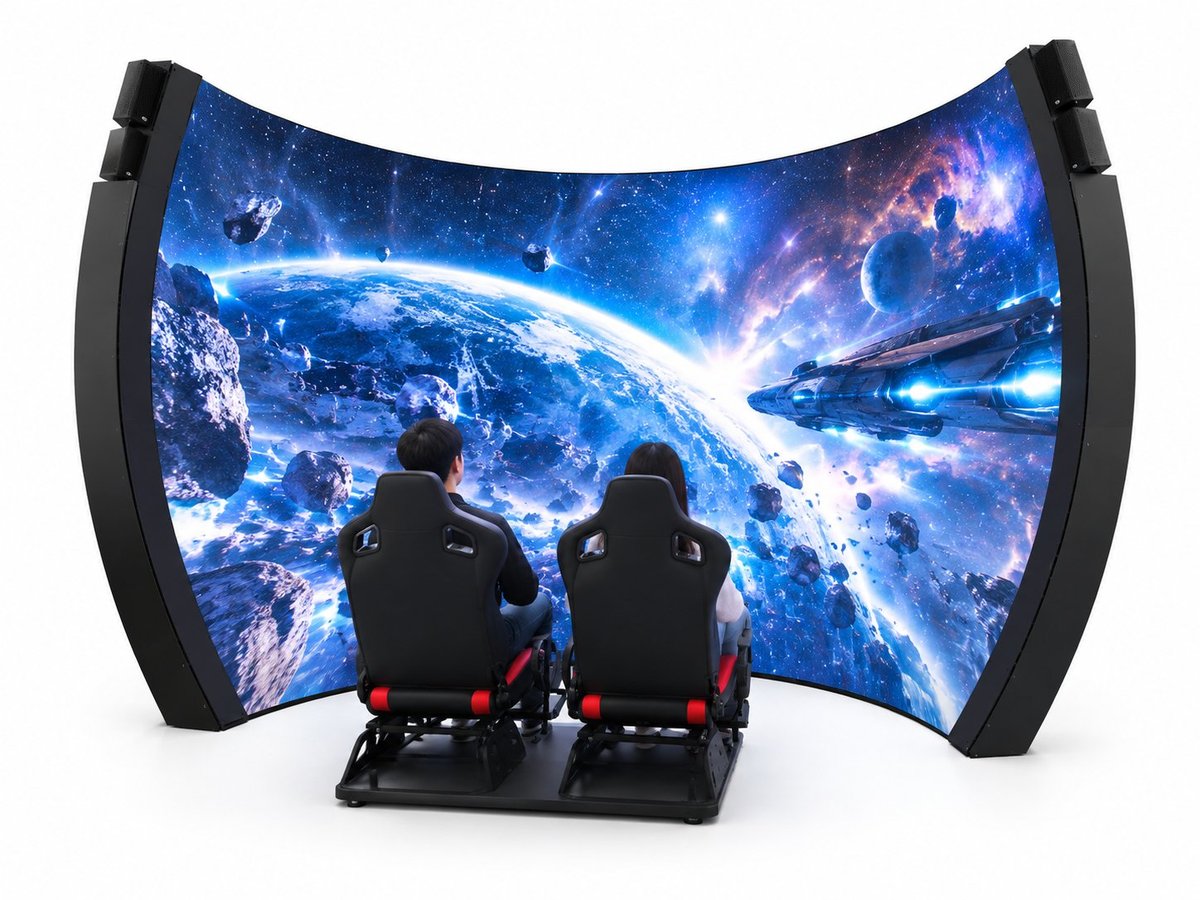
A schedule, not an event. Tilted or truncated shells, pitch set from the back row, and module service that fits between screenings.
Dome cinema screens →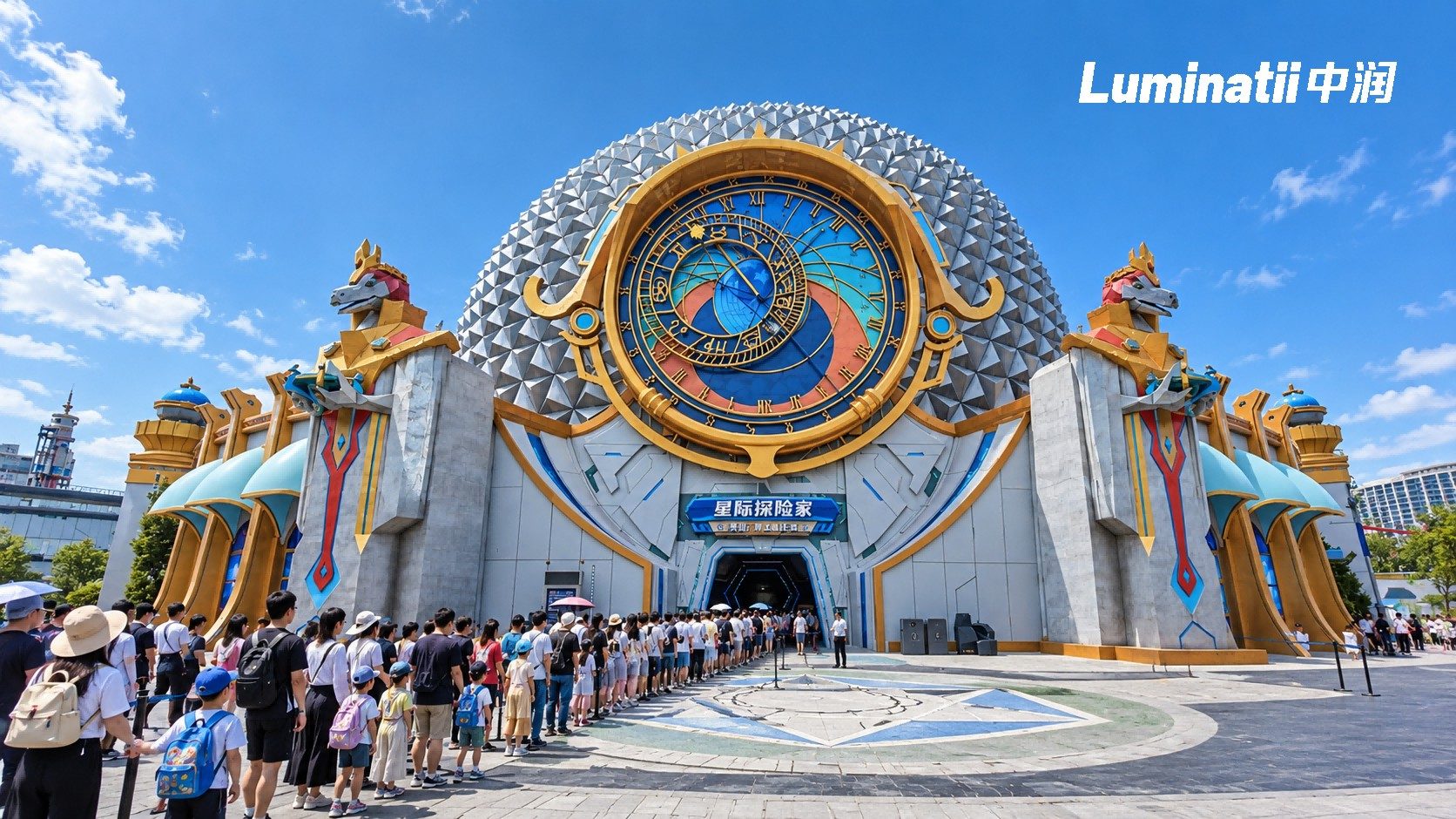
Attractions guests queue for twice. A 28 m + 22 m dual-dome complex in daily operation since June 2024 shows the format working.
Theme park domes →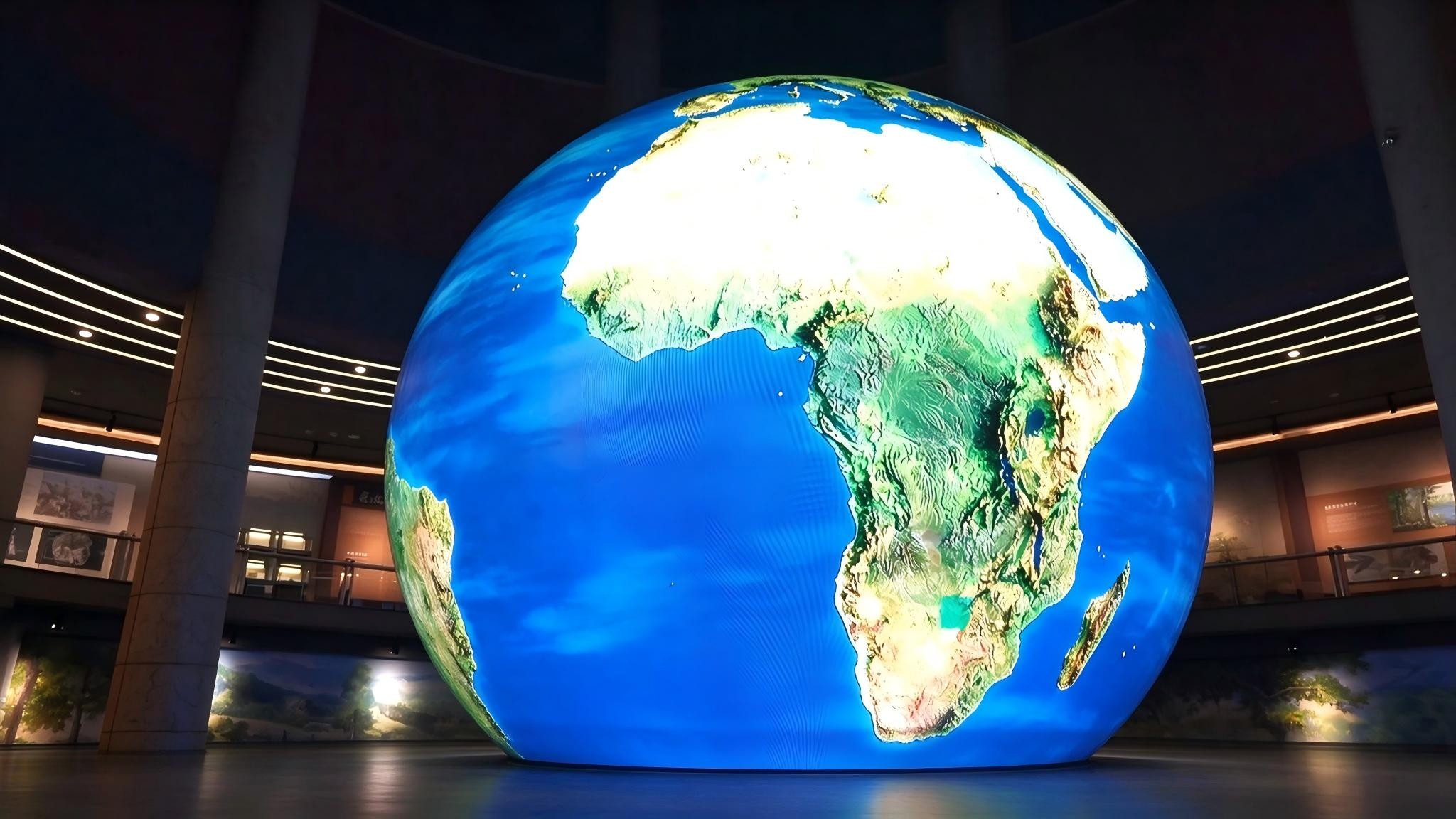
The exhibit everyone photographs. A 6 m, 131 m² earth sphere in Hezheng, Gansu, and design guidance from 2 m exhibit globes upward.
Museum spheres →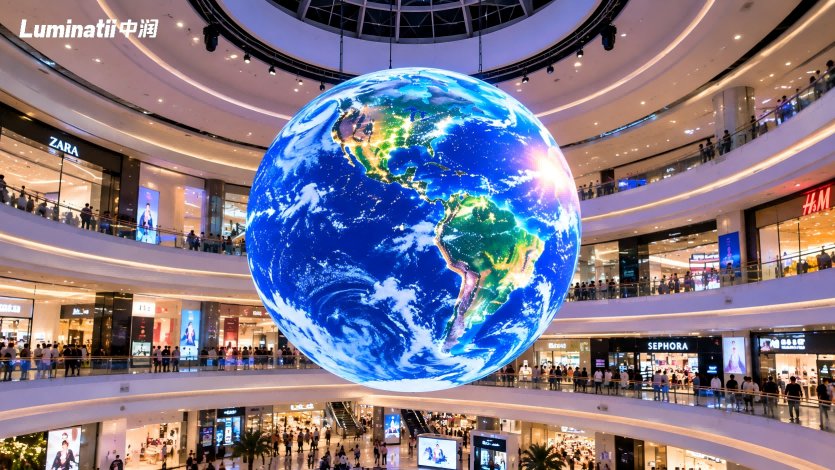
The atrium anchor, visible from every level. Front service, 1,200 nit and content designed for a 360° read.
Mall spheres →A dome is not a screen you hang in a room. The venue decides which of the engineering problems become critical — and which ones you can stop worrying about.
| Venue | Critical requirement | What changes in the build |
|---|---|---|
| Flying theater | Sound through the screen, motion sync | 50% perforation, speakers behind the dome, timecode integration with the platform |
| Planetarium | Contrast and uniformity | Dedicated pole geometry, 10,000:1 contrast, calibration for a dark-adapted audience |
| Dome cinema | Seat geometry and image coverage | Tilted or truncated dome, pitch set from the last row, portals for entry |
| Theme park | Throughput and uptime | Service access off the guest path, redundancy and monitoring, weatherproofing |
| Science center | Daytime operation | Higher brightness headroom, ambient-light tolerance, interactive content control |
| Mall / retail | Visibility and service | Suspended structure, front service from a lift, daypart content scheduling |
The same dome platform runs in all six. The one thing that never changes is the geometry method — every panel is generated from the sphere or dome model, so the surface stays continuous whatever the venue demands.
Domes are viewed from inside and spheres from outside. Within those two families there are four formats that cover almost every project we are asked about.
Before diameter, before pitch, before content — these four answers decide whether you are building a dome or a sphere, and how it will be serviced for the next decade.
Is the audience within the surface or looking at it? That single answer separates a dome from a sphere, and with it the acoustics, the sealing and the service strategy.
The nearest viewer sets the pitch. A flying theater seat two metres from the surface needs a tighter pitch than a planetarium seat ten metres back, even at the same diameter.
Front service, rear walkway, or a crane every time. This decision is made at design stage and it decides the operating cost of the next twenty years.
Once those four are answered, the rest of the brief is arithmetic: diameter from seat count and clear height, pitch from the nearest eye, panel count from the surface area, and power from the pitch and brightness. What cannot be recovered later is the decision about how the surface is serviced — so it belongs in the first conversation, not the last drawing revision.
| If your venue is… | Start here |
|---|---|
| An indoor theater with 150–400 seats | Flying theater or planetarium, depending on the show format |
| A mall atrium with a roof structure | Suspended mall sphere |
| A plaza, entrance or roof facing the public | Outdoor LED sphere |
| A room that is not a circle, or not tall enough | Custom dome engineering |
| A project that needs a manufacturer, not a trader | Our dome factory or sphere factory |
Two venues with identical domes can feel completely different, because the difference is in the programme. When we ask about the show format early, it is not curiosity — it changes the pitch, the playback hardware and the control architecture.
A dome specified for fulldome film and then programmed with live astronomy will feel wrong — usually at the pole, where the presenter's software and the panel map disagree. Tell us the programme at concept stage and the mapping is commissioned for it.
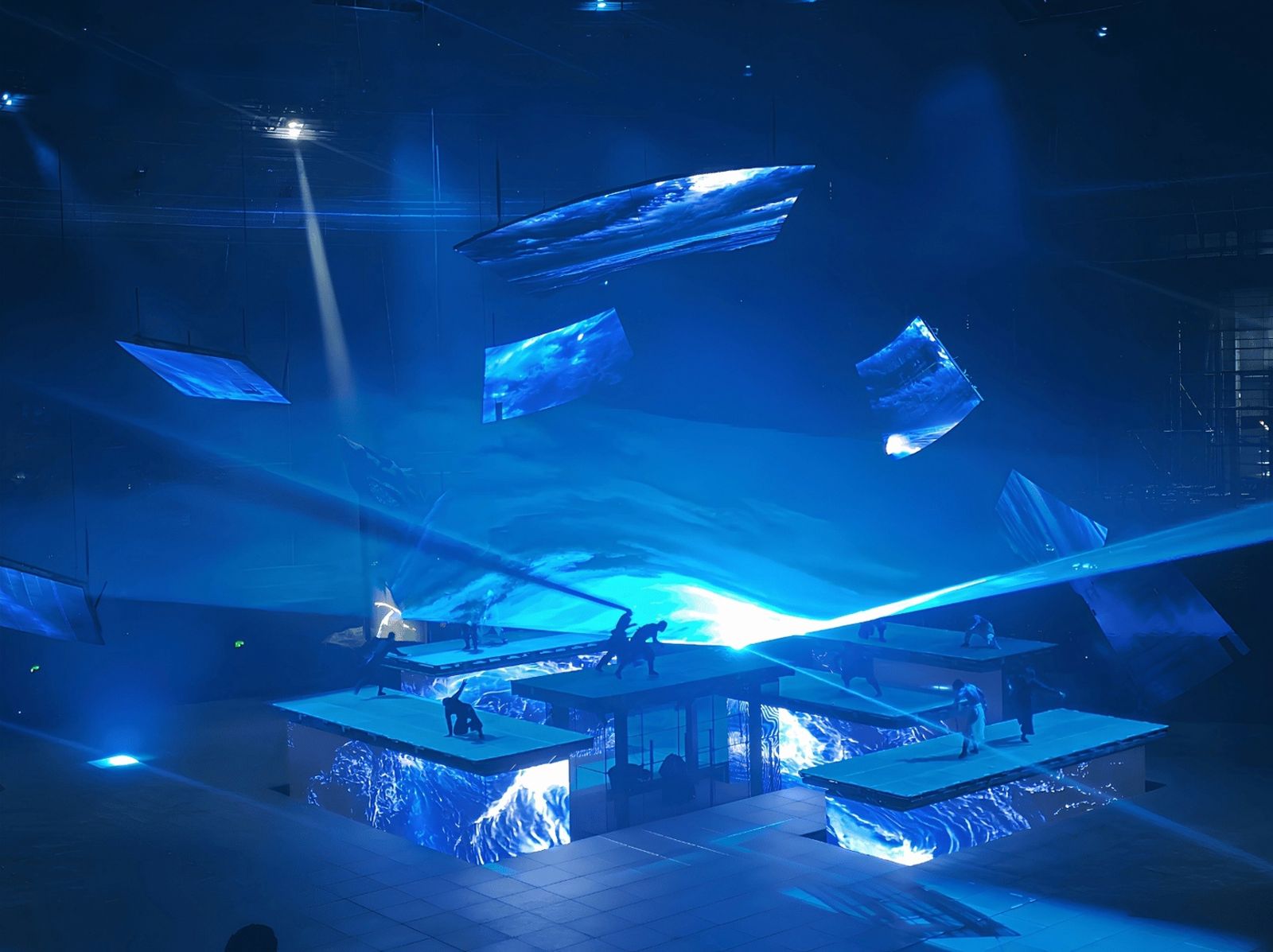
20+ large LED dome projects, from a 5 m exhibit dome to a 60 m island landmark with kinetic screens — plus outdoor spheres to 26 m.
| Application | Project | Scale |
|---|---|---|
| Cultural tourism / kinetic dome | Kongtong Island, Shandong | 60 m diameter · 5,300 m² |
| 720° dual-dome attraction | Dinosaur Dream Factory, Huangshi | 22 m + 28 m + digital floor |
| Flying theater | Chengdu Happy Valley | 22 m diameter |
| Flying theater | Shenzhen | 7 m diameter · P1.9 |
| Immersive dome | Changzhi, Shanxi | 20 m diameter |
| Exhibit domes | Beijing | 5 m and 8 m |
| Outdoor sphere | Philippines | 26 m diameter |
Full project record with photographs → · Technical articles on dome design and delivery →
The application. The venue dictates the acoustics, the service strategy and often the diameter; the product follows. A flying theater needs an acoustically transparent dome, a mall needs a front-serviceable sphere, and a planetarium needs contrast above everything else. Reading the application guide first saves a redesign.
Yes. We join the design team at concept stage, supply the dome geometry and structure drawings, and interface with the show designer on the playback and control system. Projects run smoothest when the dome is in the model before the ceiling is priced.
Sometimes. A dual-purpose dome can run a fulldome film in the morning and a live show in the evening, and the 720° configuration at Huangshi combines two domes with a digital floor for exactly that reason. But a dome optimized for a flying theater is not automatically optimal for a planetarium, so tell us the full programme at the start.
Send your venue drawings, dome diameter and content plan — our engineers reply within one business day with a tailored configuration.
Get a Free Quote