Factory-direct LED Dome & Spherical Displays — Shenzhen, China
✉ enquiries@luminatii.com
☎ +86 177 0402 4640

The China-versus-Europe question usually arrives as stereotypes: one side 'cheap and fast,' the other 'expensive and solid.' Reality is more useful than either cliché. Both regions contain excellent and careless manufacturers. The real differences lie in supply-chain depth, engineering-to-delivery rhythm, how projects of unusual scale get proven, and what happens across time zones when something needs attention at year three. This page compares the two honestly — from a Chinese manufacturer with reasons to be confident and no interest in caricature.
The stereotype runs one direction: China builds cheap, Europe builds solid. The delivered record runs another: the largest and most demanding LED sphere and dome projects of recent years were manufactured in China — because that is where the industry's supply chain lives. What separates a good dome from a bad one is process: geometry computation, structural verification, calibration discipline, service design. Those exist in both regions, and their absence does too.
Where each region genuinely differs — stated plainly, including the rows where the European route is the better answer.
| Factor | Chinese manufacturer | European supplier |
|---|---|---|
| Supply chain | Inside the component cluster; custom geometry solved in-house, in days | Assembles global components; excellent integration, longer custom loops |
| Proven scale | Largest delivered domes and spheres in recent years (5,300 m² class) | Strong in boutique and mid-size immersive venues |
| Delivery speed | Single-plan fabrication + installation; 60 m dome in ~180 days | Multi-contract schedules; longer but often more staged for the client |
| Project cost | Meaningfully lower at comparable specification | Higher; premium buys proximity and local contract law |
| Local service | Remote diagnostics + trained client staff + on-site mobilization | Hours-away proximity; strongest for buyers without technical staff |
| Contract & support | Export-experienced; verify certificates and warranty terms | Local jurisdiction, familiar legal recourse |
Two rows deserve unpacking. "Delivery speed" is not just faster-or-slower — it changes which projects are possible at all. And "local service" is the row to negotiate hardest on, whichever region you buy from, because it is where year-three costs hide. How we design for client-side maintenance →
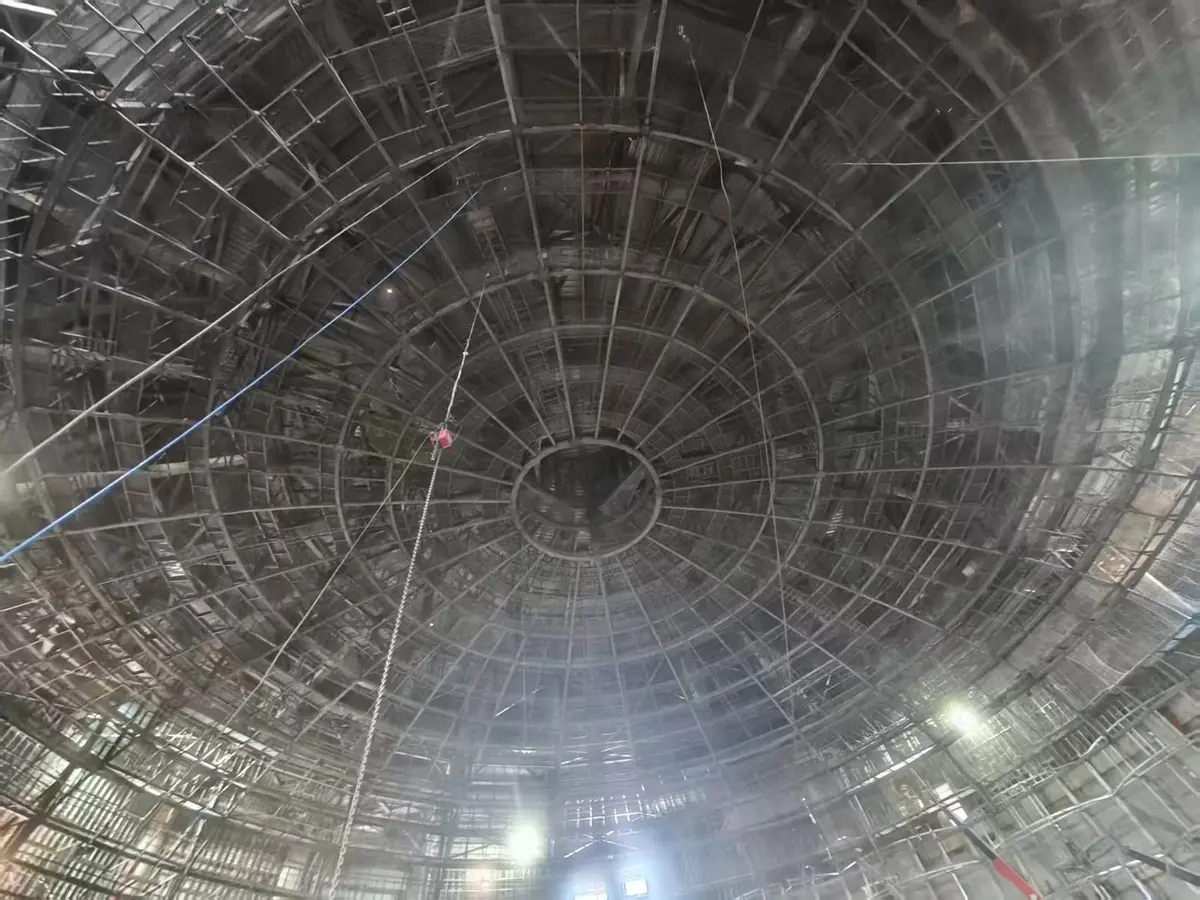
Claims are cheap; a delivery record is checkable. This is what the China route looked like on real projects.
None of this makes geography a quality guarantee — it makes process checkable. Visit the factory, inspect welds, ask for the calibration report of a delivered project. Serious suppliers in either region welcome all three.
Part of the regional comparison is mechanical: how the screen physically and contractually reaches your venue. None of it is difficult, and all of it is worth understanding before quotes arrive.
Handled this way, the import route is routine — dozens of our projects run this way on several continents. The buyers who get burned are the ones who treat a dome like a catalog order; the buyers who get great screens treat it like the engineered project it is.
Whatever region you source from, these questions separate suppliers who engineer from suppliers who assemble. Ask them identically to every bidder and compare the answers, not the accents.
| Ask | Strong answer | Weak answer |
|---|---|---|
| Delivered domes of similar diameter? | Named projects, photos, site visit or video call | Generic "many projects," renders only |
| How is curvature achieved? | Triangular/trapezoidal modules, adjustable angles, XY connectors | "We bend flat modules" or vague geometry talk |
| Uniformity verified where? | On the assembled screen, in venue, with numbers (≤5% / ≤2ΔE) | "Factory calibrated" without site verification |
| Who repairs in year three? | Trained client staff + spares included + defined remote/on-site support | "Contact us" without service design |
| Certificates match the quoted product? | Current certificates with numbers for the exact series | Logos without numbers or product match |
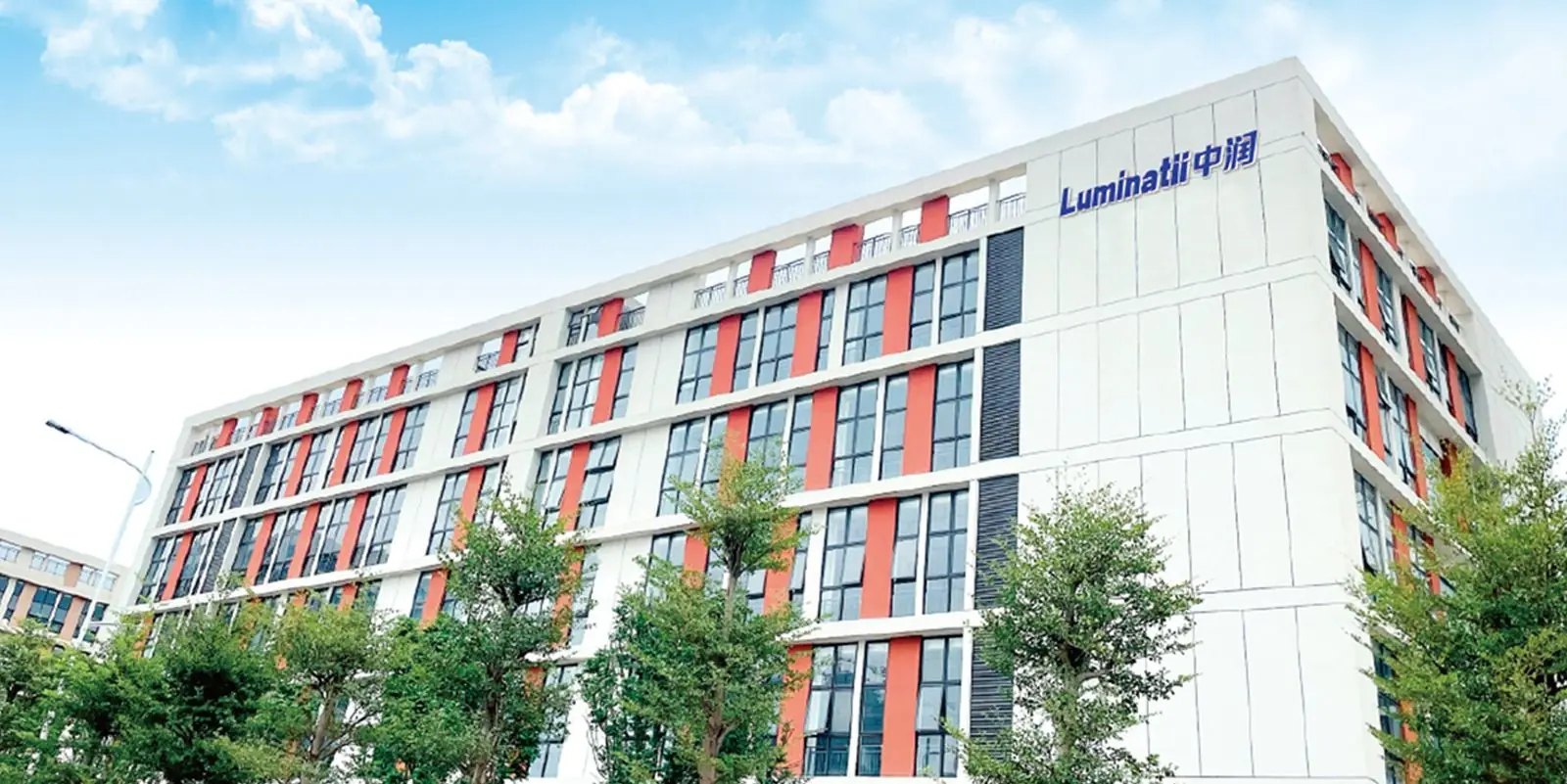
If the comparison lands on a Chinese manufacturer — we would welcome the technical scrutiny above, in person or on a call. If it lands in Europe, take the same questions with you; they travel well. The factory behind this record → · Delivered projects → · Plan a factory visit →
Quality follows the manufacturer, not the map. The LED industry's supply chain — chips, packages, drivers, enclosures — is concentrated in China, and the world's largest delivered LED spheres and domes in recent years came from Chinese factories. What predicts quality is process: how geometry is computed, how welds are inspected, whether calibration is verified on site, what the maintenance design looks like. Those answers exist in both regions — and their absence exists in both regions. Evaluate process, not geography.
Depth and proximity. A dome touches dozens of specialized inputs — custom trapezoidal modules, driver ICs, steel fabrication, power systems, control hardware — and being inside the cluster where most of those inputs are made changes the rhythm of engineering: iterations happen in days, custom parts come from suppliers with dome experience, and unusual requirements (a sound-transparent screen, a lighter structure) get solved in-house rather than sourced across continents. European integrators often assemble excellent systems too — from many of the same Chinese components — with local service as their differentiator.
Chinese manufacturers control fabrication through installation, which compresses schedules: our 60 m, 5,300 m² Kongtong dome went from ground-breaking to completion in about 180 days — a timeline that surprises European buyers used to multi-year structures. That speed comes from in-house steel fabrication, module production and installation crews under one project plan. It also demands discipline from the buyer: fast schedules reward clients who make decisions quickly and penalize those who change scope late.
Verify rather than assume. Our export line carries CE (EMC and LVD), FCC, UL 62368, CCC, RoHS and ISO 9001 / 14001 / 45001 certifications — and any serious Chinese supplier will show current certificates, not logos without numbers. European buyers should also confirm which certifications the project's authority requires locally (a UK or EU venue may need specific documentation beyond CE), and check that certificates match the exact product family quoted, not a different series.
The honest answer: plan it into the contract. Chinese manufacturers serve projects across time zones — our screens are engineered so your own trained staff handle routine swaps (front-and-rear access, single-person module changes, spares shipped with the project), with remote diagnostics and on-site support for major issues. European suppliers offer proximity, which matters most for buyers without in-house technical teams. Either way, ask the question before signing: who replaces a module in month 30, how fast do spares arrive, and what does that service cost? The screen that is cheapest to buy is rarely cheapest to own.
Send your venue drawings, dome diameter and content plan — our engineers reply within one business day with a tailored configuration.
Get a Free Quote