Factory-direct LED Dome & Spherical Displays — Shenzhen, China
✉ enquiries@luminatii.com
☎ +86 177 0402 4640

Every technical page on this site is compiled by the people who dimension the steel, lay out the modules and calibrate the screen on site. No freelance copywriters, no invented specifications.
Most LED supplier websites are written to rank. The result is pages that list every possible application and never state a dimension. This site works the other way round: we start from the drawings of projects we have delivered, and we publish only what those documents support.
Luminatii Technology Co., Ltd. is a Shenzhen-based manufacturer of inner LED dome screens and spherical LED displays, with production in Huizhou, Guangdong. The engineering group behind this site covers four disciplines that have to agree before a dome can be built: structural steel, LED modules and optics, electronics and playback control, and installation and calibration. The same people answer the technical questions that arrive through the contact form.
That is also why the site is short on adjectives and long on numbers. When a page says a 60 m dome carries 8.5 kg/m² of screen, that figure comes from the Kongtong project documentation — not from a competitor's brochure and not from an industry average we found online.
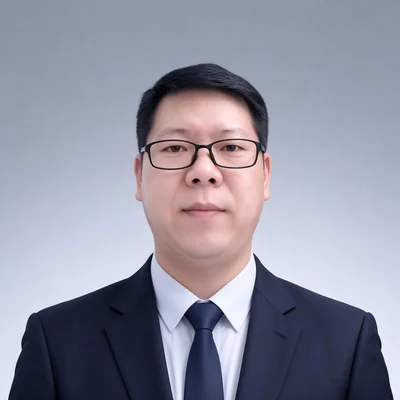
Chuanfa Li (李传发) is the senior R&D engineer at Luminatii Technology Co., Ltd. He has worked in LED display design and research for more than twenty years and is recognised in the industry for the engineering behind large-format immersive screens.
At Luminatii he owns the technical decisions these pages describe: dome geometry and module layout for inner LED domes, the structural interface with the steel ring, playback and control electronics, and the on-site calibration that makes a delivered dome pixel-accurate. The project record behind these pages ranges from the 60 m Kongtong Island dome — 5,300 m², the largest immersive LED dome in Asia — down to the 5–8 m studio domes delivered in Beijing.
Every technical article on this site is drafted from the documentation of projects he has delivered and is checked by him before publication. If you find an error, write to enquiries@luminatii.com and the correction is handled by the engineer who owns the topic.
Load cases for permanent load, wind and seismic action at the site; weld inspection and witnessed sampling of welding consumables; the ring beam and the access platforms that make maintenance possible.
Triangular and trapezoidal modules with independently adjustable angles, XY-adjustable joints, and the pixel pitch choice (P1.9 to P4 in delivered work) that matches the viewing distance.
Parallel driver design so a failed LED does not take its neighbours down, 16-bit grey processing at 7,680 Hz, power and data routed inside the chassis, and the media server that feeds the dome.
On-site geometry correction, brightness uniformity to within 5% and chromatic deviation within 2ΔE, plus the handover documentation the venue operator needs afterwards.
The four sit in one building, which matters more than it sounds: when a module angle changes, the steel team hears about it the same week, not after the drawings are issued.
More than 20 large LED dome projects between 5 m and 60 m in diameter. These are the ones we can document publicly, with drawings and handover records behind the figures.
| Project | Scope | What it proves |
|---|---|---|
| Kongtong Island, Yantai | 60 m inner dome, 5,300 m², 8K | Asia's largest LED dome; eight liftable screens, four 3D wire systems, sound behind a 50%-perforated screen |
| Huangshi, Hubei | 28 m and 22 m domes, P4, digital floor | 720° combination of two domes with a shared digital floor |
| Changzhi, Shanxi | 20 m acoustically transparent dome, P2 | Sound transparency and pitch choice in a mid-size venue |
| Hezheng, Gansu | 6 m sphere, P3, 131 m² | Indoor museum sphere viewed from a few metres |
| Philippines coast | 26 m outdoor sphere, IP65 | Outdoor sealing against humidity, dust and salt fog |
| Beijing | 5 m and 8 m domes, P2 | Small-format domes in one building |
| Shenzhen | 7 m flying theater, P1.9 | Fine pitch in a compact volume with motion seats |
Photographs and detail for each delivery are on the projects page; the Kongtong build is documented separately in the 60 m dome case study.
The steel is cut and welded to our drawings, the modules are assembled and aged in our own plant, and the screen leaves the factory with its driver cards and power boxes already fitted. That control is what allows a 5,300 m² dome to be closed in roughly 180 days.
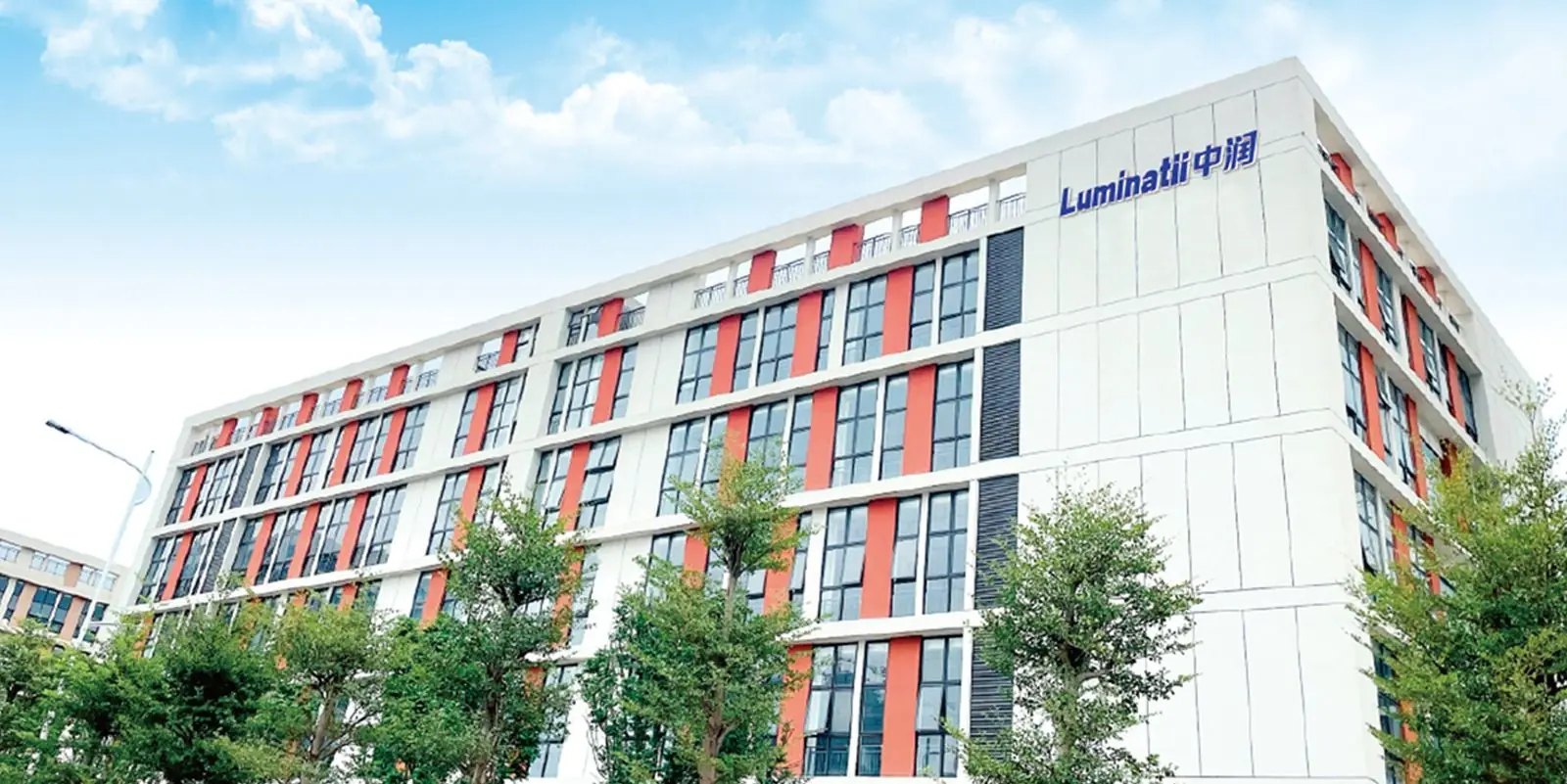
Drawings, module layouts, structural calculations, calibration logs and handover documents from a delivered project — not from memory and not from a supplier catalogue.
The engineer responsible for that discipline checks every dimension, pitch, material and duration before the text leaves draft.
If a claim cannot be traced back to a document, the sentence is removed. Corrections are made on the page itself rather than quietly deleted.
These constraints cost us keywords. They are also the reason the pages are worth reading.
Delivered range is 5–60 m for domes and 2–26 m for spheres. Larger is possible and quoted to order; we do not publish a maximum we have not built.
A dome is priced against drawings, steel tonnage and site access. A range would be a fiction, so the price page explains the cost components instead.
8K is the largest canvas we have delivered. Writing 12K to match a competitor would be a specification we could not hand over.
Where a venue asked to stay anonymous, the case study describes the technical problem and omits the operator.
Every image comes from our own site records. Screenshots carrying third-party watermarks are removed from the site when found.
If a quote cannot be traced to a named project contact, it does not go on the site — however well it would read.
Technical questions about pitch, structure, sound transparency or maintenance go to the discipline owner. The two product pages are the fastest route into that conversation.
Send the free inner diameter, the ceiling height, the intended use and the opening date. That is enough for a first configuration and a realistic read on steel and pitch.
For everything else, the inquiry form reaches the engineering group directly.
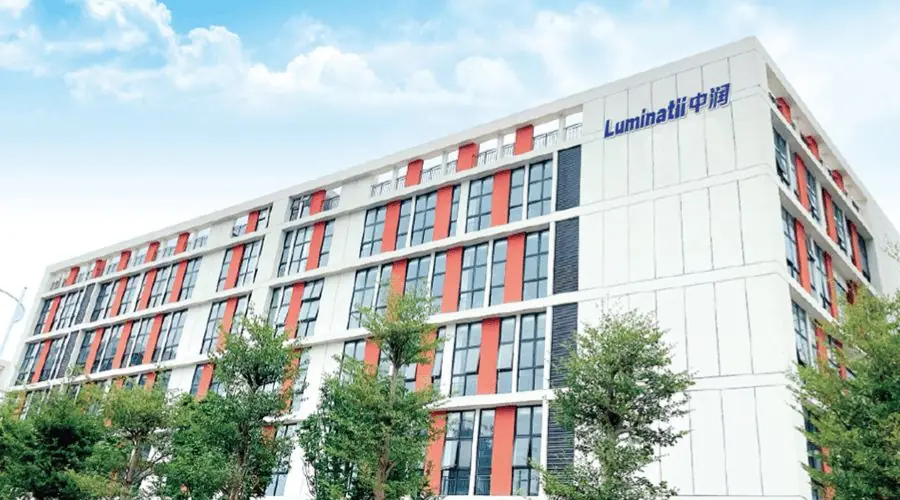
The engineering team at Luminatii Technology Co., Ltd. Each page is drafted from project records — drawings, module layouts, structural calculations, calibration logs and handover documents — and checked by the engineer responsible for that discipline before it is published. Marketing copy is not written by an outside agency.
Yes. Technical questions are routed to the engineer who would work on your project, not to a sales desk. Send the diameter, ceiling height, intended use and target opening date through the contact page and the reply comes back with a configuration, not a brochure.
The published figures — 5 to 60 m domes, 2 to 26 m spheres, 5,300 m² for the Kongtong dome, 8.5 kg/m² screen weight, 50% perforation, 1,200 nit, 7,680 Hz — come from delivered projects and their handover documentation. Where we have no verified figure, the page says so rather than giving an estimate.
Because a dome price is a function of diameter, pixel pitch, steel tonnage, site access and content integration — the same 20 m dome can differ by a wide margin between two buildings. We publish what drives the cost instead of a misleading range, and quote item by item against your drawings.
Email enquiries@luminatii.com with the page URL and the point in question. Corrections are handled by the engineer who owns that topic; where a claim cannot be supported by project records, the sentence is removed rather than softened.
Send your venue drawings, dome diameter and content plan — our engineers reply within one business day with a tailored configuration.
Get a Free Quote