Factory-direct LED Dome & Spherical Displays — Shenzhen, China
✉ enquiries@luminatii.com
☎ +86 177 0402 4640

Every dome works on opening night. What separates suppliers is what happens when a module fails two years later: can one technician reach it, from which side, without scaffolding, and does its failure affect the rest of the screen? Here is how we design that answer into the structure.
A dome is a public venue with a schedule. A screen that takes a day to repair a single module is a screen that cancels shows — and the cost of a cancelled show is never just the ticket refund. So maintenance is not an after-sales topic; it is a design input that shapes the module, the enclosure and the steel.
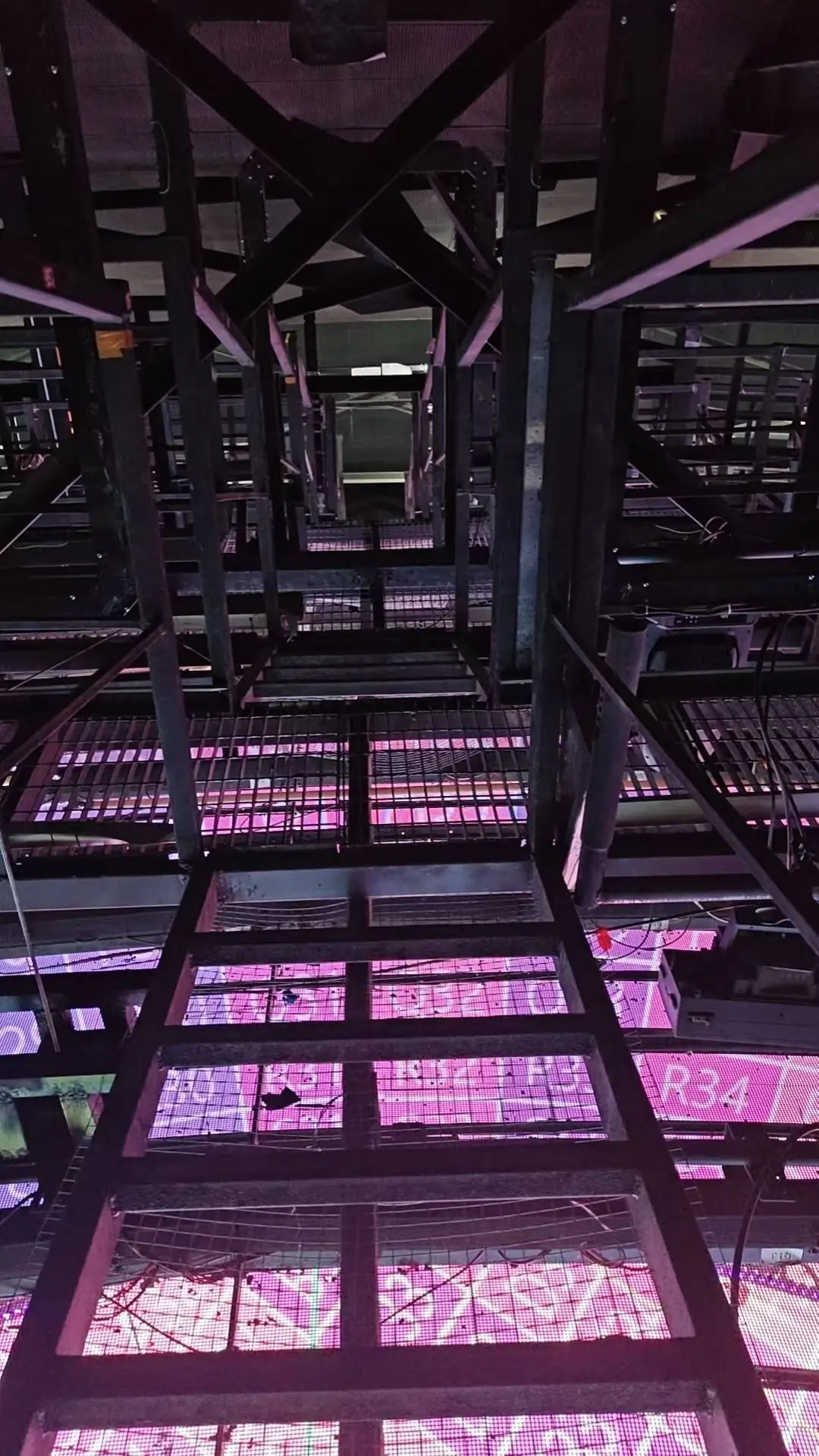
Each of these is cheap to design in and expensive to retrofit — which is why they belong in the first technical conversation, not the service contract.
Dome access is a building question as much as a screen question. The screen design has to match what the architecture allows — and the time to discover a mismatch is before fabrication.
| Building situation | Access strategy | What it means for the operator |
|---|---|---|
| Service corridor behind the dome | Full front and rear access | Fastest service; modules reachable from the quiet side during shows |
| Dome sealed against a building envelope | Front access as primary route | Service from the audience side, scheduled around the show calendar |
| Full sphere, walk-in interior | Front access plus internal walkways | Technicians work inside the sphere; no external scaffolding |
| Exterior sphere (outdoor) | Rear access from service platforms | Weather-window scheduling becomes part of the maintenance plan |
This is why we ask for building sections early. A dome designed for rear access inside a building with no corridor behind it becomes a screen nobody can service quickly — and the operator discovers it the first time a module fails. How access is built into the steel →
The goal is that a module replacement is routine enough to be unremarkable. That requires the module, the enclosure and the training to line up.
The enclosure is built from aluminium profile with a large latch design: quick to open, fast to dissipate heat, and simple to inspect. In a sealed sphere, heat management and service access are the same conversation.
AC power and network lines route through the enclosure rather than across the screen. Nothing to unclip, nothing to catch, nothing to re-dress incorrectly when the module goes back in.
A replacement module arrives at factory default; the screen's profile has to be applied so the repaired area matches its neighbours. We train operators on this step at handover because skipping it converts a fix into a visible patch.
Handover includes startup, content scheduling, module swap and recovery procedures — including the source-failure scenario every venue eventually meets. Written procedure beats institutional memory when staff change.
The payoff shows up in the venues that have run longest. Theme-park domes delivered by our crews are operated and maintained by the parks' own technicians, with daily show schedules and no supplier presence on site — which is the only meaningful test of a maintenance design. Two domes running daily since 2024 →
Almost every maintenance outcome is set during handover week. If the operator's team leaves that week able to start the dome, schedule content, swap a module and recover from a source failure, the venue runs itself. If they leave with a manual and a phone number, every routine event becomes a service call — and service calls are how domes end up running at reduced quality between visits.
Our handover covers four things in the room, on the real equipment. Startup and shutdown: the sequence the venue will repeat twice a day. Content scheduling: how shows are queued, changed and checked, including the file formats the playback system expects. Module replacement: the physical swap, the enclosure opening, and the calibration step afterwards. Recovery: what to do when a source fails, a controller reboots or a show does not start — the scenarios that will happen, not the ones that might.
We also recommend the operator keeps a small spares kit sized to the dome: a handful of modules, the connector types used at the pole and the base, and the calibration profile for the screen. None of it is expensive relative to the venue, and all of it converts a weekend fault into a fifteen-minute fix. The parks running our domes daily do exactly this, which is why their venues have not needed us on site since handover.
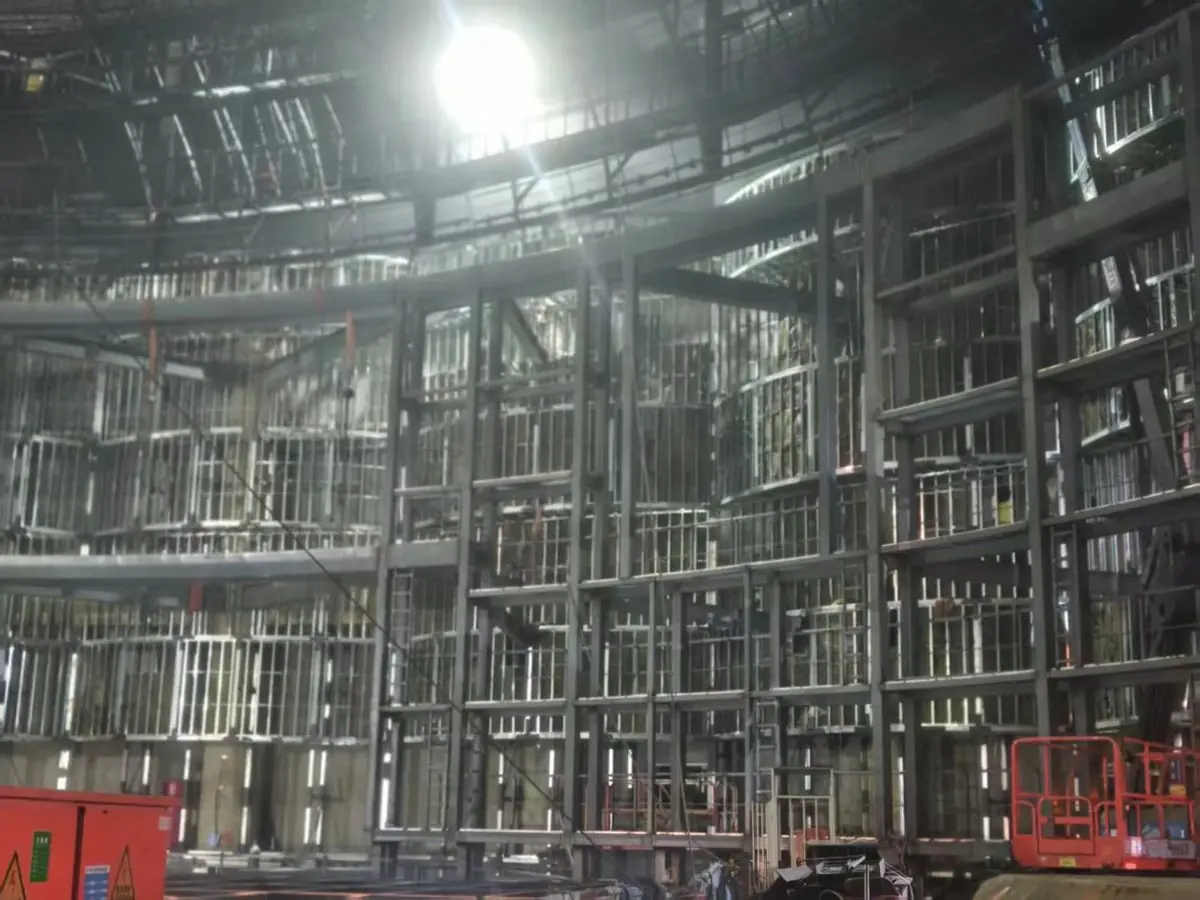
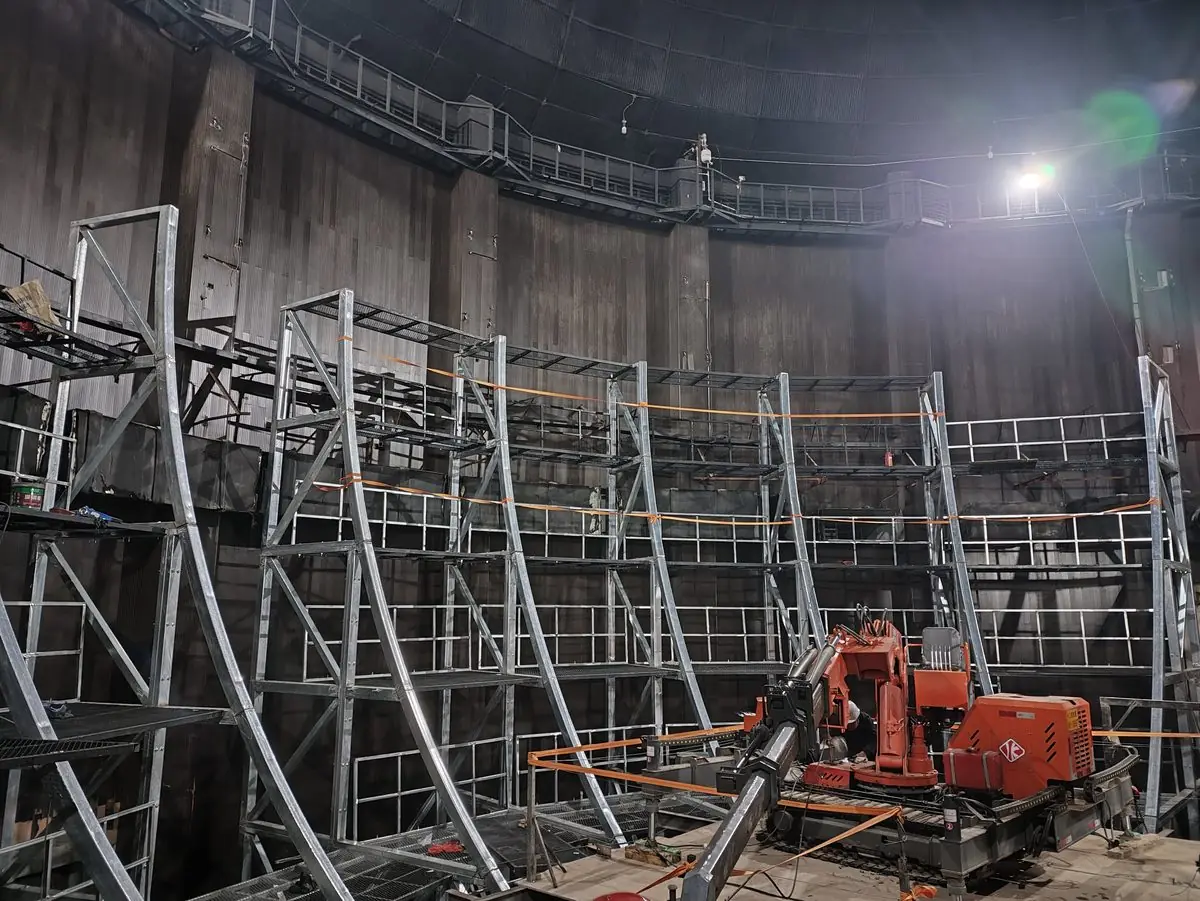
LEDs are rated beyond 100,000 hours, which means the emitters are rarely the first failure. What ages in a dome is everything around them: power supplies, connectors, the thermal path, and the seals on exterior installations. A maintenance plan therefore focuses on three rhythms — inspection of enclosures and seals on a schedule, verification of brightness uniformity as modules age at slightly different rates, and correction of calibration after any intervention.
Exterior spheres add a fourth: weather. An outdoor dome or sphere carries water, dust and salt-laden air against every joint, which is why our outdoor screens are specified to IP65 and why their maintenance plan includes seal inspection rather than only electronics. Outdoor protection in detail → · Calibration and drift → · Talk to the dome team →
Put the three rhythms on a calendar and the venue's maintenance becomes predictable: seals and enclosures inspected on a fixed interval, uniformity re-measured on a slower cycle, calibration corrected after every intervention. None of it requires the supplier on site, and all of it protects the investment the operator has already made in the screen.
A dome treated this way does not need to be replaced; it needs to be kept.
Front access means a module can be removed from the audience side of the screen; rear access means it can also be reached from behind. Having both matters because domes differ: some have a service corridor behind the screen, others are sealed against a building wall with only the interior exposed. A screen designed for only one direction becomes a project constraint the operator inherits for the life of the venue.
With front and rear access, a single technician can complete a routine module replacement without scaffolding or a crew — the screen's power box design is aluminium profile with a large latch, so the electrical side is opened quickly and cabling stays inside the enclosure. The step that matters after the swap is calibration: the new module must be corrected to the screen's profile.
With parallel drive design, a failed LED or module does not affect the output of its neighbours. That is the difference between a fault you schedule and a fault that turns into a black patch in the middle of a show. Redundancy at the drive level keeps the visual consequence proportional to the actual failure.
No. AC power and network cabling run inside the module enclosure, so the screen surface has no exposed wiring to snag, dust or damage. In a dome this also protects the aesthetic: nothing breaks the image, and nothing invites accidental contact during service.
No — routine work is designed to sit inside the venue's own team. At handover we train operators on startup, content scheduling, module swaps and recovery procedures, and several of our theme-park venues have run their domes with their own technicians for years. We stay available for the work that genuinely needs us.
Send your venue drawings, dome diameter and content plan — our engineers reply within one business day with a tailored configuration.
Get a Free Quote